
Apex Rural Integrated Support
Live Well. Stay Home.
About Us
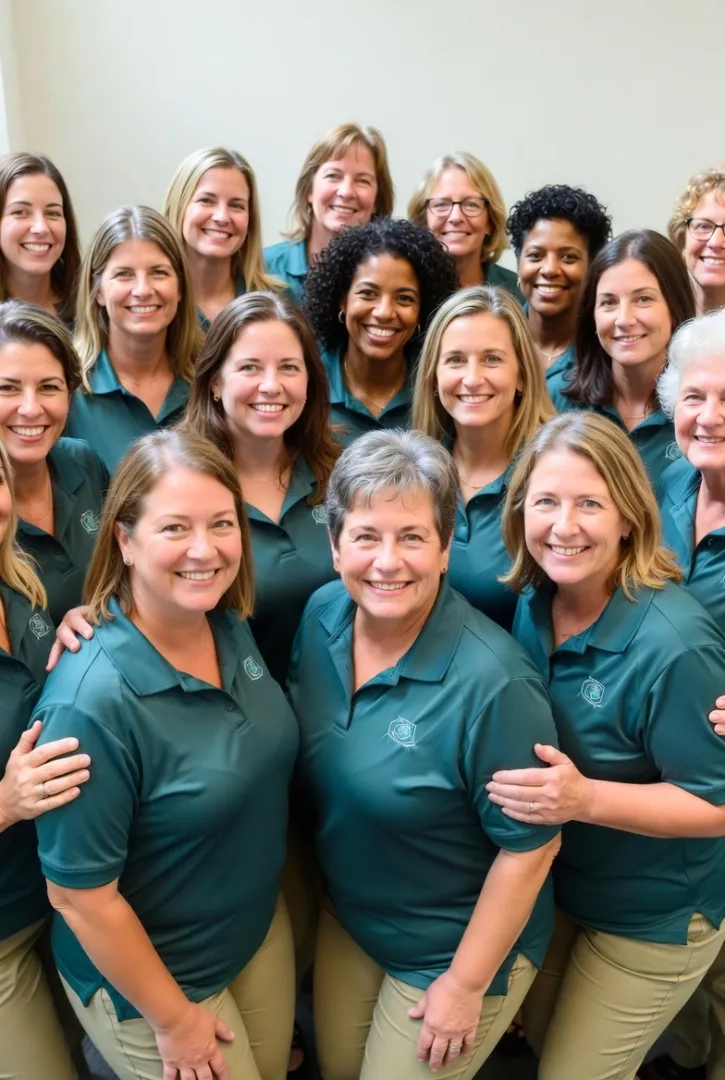
Apex Rural Integrated Support provides non-medical, client-centered support designed to help older adults remain safely and comfortably in their own homes. We understand that families want to provide the best care without experiencing burnout, and that older adults want to maintain their independence while knowing they’re not alone. Our mission is to bridge that gap with compassionate, reliable support tailored to each client’s unique needs.
We’re not just about completing individual tasks—we’re about making sure life runs smoothly for residents of rural communities. From daily living assistance to medication reminders, home safety reviews to technology setup, we handle the details so families can focus on what matters most. Our clearly defined scope of services ensures safety and quality, while our ongoing communication keeps families informed and connected every step of the way.
Our Services
Daily Living and Home Support
Assistance with instrumental activities of daily living (IADLs) and household tasks that help maintain a clean, safe, and supportive home environment. • Meal preparation • Light housekeeping • Laundry • Organization and decluttering • Trash and recycling management • Pharmacy and grocery delivery / errands • Home oversight and home safety reviews

Health and Wellness Coordination
Hands-on assistance with activities of daily living (ADLs) and related personal support that help clients remain safe and independent at home—consistent with how Medicare and Medicaid define personal care services. • Bathing, dressing, grooming, and toileting assistance (as needed) • Mobility and transfer assistance • Medication reminders and limited administration • Safety check-ins and supervision during visits • Transportation to medical appointments • Wellness monitoring and support

Family Communication and Coordination
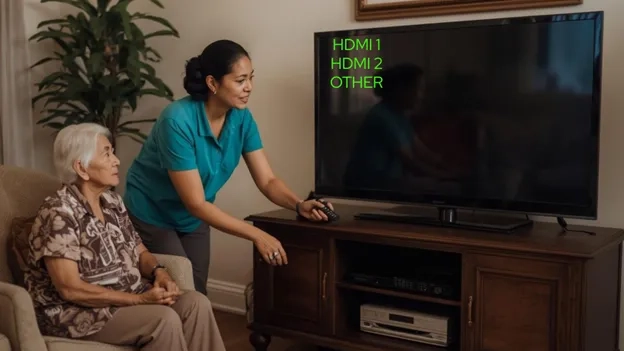
Communication and Technology Services Technology setup and ongoing coordination that keep clients connected, safe, and in communication with family and care partners. • Technology setup, including fall alert systems, sensors, cameras, and voice-activated devices • Family communication and care coordination • Ongoing support for connected devices and monitoring systems